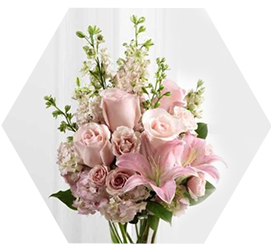
Bedwell funeral flowers etiquette Stevenage Borough Council rules
Posted on 07/10/2026
Choosing funeral flowers can feel oddly difficult at the exact moment you least want another decision on your plate. If you are arranging flowers for a service in Bedwell, or for someone connected with Stevenage, you are probably trying to balance respect, local expectations, and any Stevenage Borough Council rules that may affect delivery or placement. That mix can be confusing, to be fair.
This guide brings the practical side into focus. It explains Bedwell funeral flowers etiquette Stevenage Borough Council rules in plain English: what people usually do, what councils and crematoriums commonly require, how to avoid awkward mistakes, and how to choose something thoughtful without overcomplicating it. Whether you are ordering for the service itself, sending sympathy flowers to the family, or trying to understand the difference between a wreath, spray, posy, or tribute, you will find clear, local-minded advice here.
And yes, there is enough detail to be genuinely useful without turning into a dry rulebook. Let's get into it.
Why Bedwell funeral flowers etiquette Stevenage Borough Council rules Matters
Funeral flowers are never just decoration. They carry a message. Sometimes that message is simple affection. Sometimes it is respect, family pride, gratitude, faith, or a quiet "I'm sorry for your loss" when words fail completely. In a place like Bedwell, where services may involve local churches, crematorium arrangements, funeral directors, and council-managed spaces, etiquette matters because it helps everything run smoothly and keeps the focus where it should be: on the person who has died and those mourning them.
Stevenage Borough Council rules matter too because public spaces, burial grounds, crematorium access points, memorial areas, and surrounding grounds often have their own practical expectations. These are not usually there to make life difficult. They exist to keep pathways clear, protect landscaping, and make sure tributes are handled respectfully and consistently. You will usually find that the exact detail depends on the venue, not just the town. That distinction matters more than people think.
There is also a social side to it. Funeral flowers can be comforting, but they can also feel inappropriate if they are too bright, too large, late, or badly worded. A tasteful arrangement arriving at the right moment can feel like a small act of care. An oversized bouquet turning up after the service has started? Not so much. Nobody wants that kind of awkwardness on an already emotional day.
So the point is not to over-police flowers. It is to make sure your gesture lands gently, respectfully, and in line with local expectations.
Expert takeaway: For funeral flowers in Bedwell, the safest approach is usually simple, neutral, and timely. Check the venue rules first, then choose an arrangement that fits the service, the relationship, and the family's wishes.
How Bedwell funeral flowers etiquette Stevenage Borough Council rules Works
In practice, funeral flower etiquette in Bedwell works like a set of overlapping considerations. First, there is the family's preference. Then there is the funeral director's guidance. After that comes the venue's own rules, which may be shaped by Stevenage Borough Council if the location is a council-managed burial or memorial site.
Here is how it usually plays out:
- The family sets the tone. Some families prefer traditional white lilies, roses, chrysanthemums, or simple sprays. Others welcome colourful mixed flowers, or ask for donations instead.
- The venue sets practical limits. There may be restrictions on size, placement, timing, or what can be left at graveside areas.
- The florist or funeral director advises on format. This is where wording, ribbon names, tribute style, and delivery timing are sorted out.
- The tribute is delivered in a way that fits the service. Ideally, it arrives before the ceremony begins, or at the time agreed with the funeral director.
That sounds straightforward, but the details matter. For example, a standing spray is suitable for a coffin-top or display position at the service. A wreath may be better for a family tribute or a memorial placement. A posy is often a gentler option if you want to send sympathy flowers to the family home rather than the ceremony itself. Small thing, big difference.
Etiquette also changes depending on who the flowers are from. Immediate family often sends more formal tributes, while friends, colleagues, neighbours, or extended family usually choose smaller arrangements or sympathy flowers. There is no single right answer, but there is a sensible shape to it.
One more practical point: council rules and service rules are not always the same thing. A church, crematorium, or cemetery may have its own instructions, even when the local authority manages the wider grounds. It is worth checking the exact venue rather than assuming one rule covers everything. That little detail saves a lot of last-minute stress.
Key Benefits and Practical Advantages
Getting funeral flower etiquette right has obvious emotional value, but there are practical benefits too. People often focus on the design and forget the logistics. Truth be told, both matter.
- Less stress for the family: Clear, appropriate flowers reduce decision fatigue and avoid awkward questions on the day.
- Smoother coordination: If the arrangement fits the venue's rules, there is less risk of rejection, repositioning, or confusion.
- A more respectful tone: Appropriate colour, size, and wording help the tribute feel thoughtful rather than showy.
- Better timing: A well-planned delivery arrives when it can be seen and appreciated, not when everyone has already gone home.
- Stronger local fit: Choosing an arrangement that matches the tone of a Bedwell or Stevenage service feels more natural and considerate.
There is also peace of mind. If you know the floral tribute aligns with venue guidance, you can focus on being present rather than worrying whether the ribbon is too long or the arrangement too bold. Nobody needs that extra mental clutter on a difficult day.
For families managing arrangements from a distance, that peace of mind is especially valuable. A relative in another part of the UK may need a florist to handle the selection, delivery, and card wording with minimal back-and-forth. In those cases, a clear funeral flower policy and a dependable local delivery service make life easier.
Who This Is For and When It Makes Sense
This guidance is useful for a few different people, and the needs are not quite the same for each one.
Immediate family
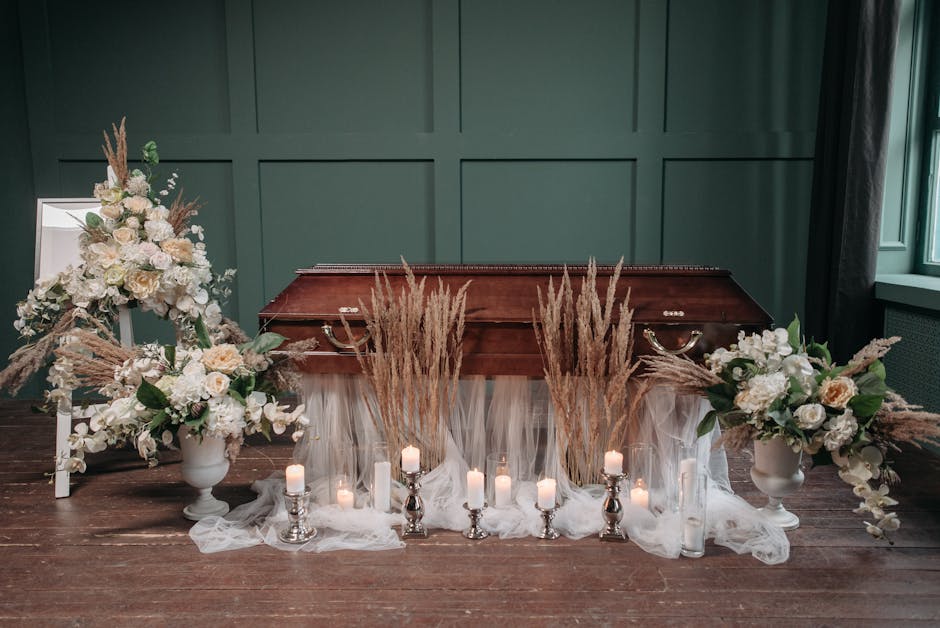
If you are arranging flowers for a parent, partner, child, sibling, or grandparent, you may want a more formal tribute such as a casket spray, wreath, heart, cushion, or personalised letter tribute. Family arrangements usually sit closest to the service itself and often carry the most visible symbolism.
Friends, neighbours, and colleagues
For people outside the immediate family, a sympathy bouquet, posy, basket, or smaller wreath is often more suitable. You may also choose flowers for the home or wake rather than the funeral service. That is entirely normal, and in many cases kinder because it gives the family something to receive after the ceremony rush has passed.
Employers and community groups
If flowers are being sent on behalf of a workplace, school, club, or association, the wording matters just as much as the arrangement. A tasteful tribute with a simple card can show solidarity without feeling overdone. If a few people are contributing, one well-chosen arrangement often works better than multiple smaller ones arriving separately.
People ordering in advance
Planning ahead is sensible if the service is on a busy day or if the family has specified a venue with delivery windows. Funeral flowers are rarely something you want to rush. Then again, life does not always wait for the perfect plan, does it?
People needing same-day help
If you are arranging something at short notice, the main priorities are availability, delivery timing, and suitability. A local florist can often suggest a respectful option that still looks polished, even when time is tight.
Step-by-Step Guidance
If you want a calm, practical way to handle funeral flowers in Bedwell, follow these steps.
- Confirm the venue and service type.
Is it a church service, crematorium service, graveside burial, memorial gathering, or home delivery to the family? The answer affects everything from the style of flowers to the delivery timing. - Check for specific instructions.
Ask whether the family has requested donations instead of flowers, whether there are colour preferences, and whether the venue has limits on size or placement. This is the bit people skip, and then regret later. - Choose the right type of arrangement.
Common funeral choices include wreaths, sprays, posies, sheaves, hearts, cushions, crosses, baskets, and tribute letters. Immediate family generally selects larger formal tributes; friends often choose smaller sympathy flowers. - Select respectful flowers and colours.
White is a classic safe choice. Soft pink, cream, purple, and gentle mixed tones are also common. Bright colours are not wrong, but they should suit the tone of the service and the family's wishes. - Keep the wording simple and accurate.
Names on ribbon or cards should be checked twice. Spelling errors on a tribute are a miserable little detail, but they do happen. Better to catch them early. - Arrange delivery for the right time.
For a service, flowers usually need to arrive before the ceremony or within the venue's accepted window. For home sympathy flowers, choose a time when someone is likely to be in. - Prepare for the practical side.
Have the order reference, funeral director details, and venue location ready. If the arrangement is going to a council-managed area, make sure access instructions are clear. - Follow up gently if needed.
If you are unsure whether flowers arrived, check with the florist or funeral director rather than repeatedly contacting the family. They will have enough on their plate.
A lot of problems vanish once the tribute is matched to the situation. Simple, really.
Expert Tips for Better Results
After you have arranged enough funeral flowers, certain patterns become obvious. The best results usually come from clarity, restraint, and good timing. Here are the details that make a real difference.
Choose formality based on relationship
A large casket spray suits immediate family. A posy or bouquet suits friends, neighbours, or colleagues. If you are not sure, lean smaller rather than bigger. It is usually easier to be slightly understated than accidentally overpowering.
Use colour with intention
White and green remain the safest route for a traditional service. Creams, soft pinks, pale lilac, and muted mixed arrangements often work well too. If the deceased loved a particular colour, or if the family asked for something brighter, follow that. Personal meaning always beats rigid convention.
Think about flower choice and meaning
Some families like lilies for sympathy, roses for love, chrysanthemums for remembrance, carnations for respect, or mixed seasonal flowers for a softer feel. Not every service needs symbolic detail, though. Sometimes a beautiful arrangement is enough. And that is fine.
Keep the message short
On cards or ribbons, less is often better. "With deepest sympathy", "With love and remembrance", or "Forever in our hearts" are common because they do not crowd the tribute.
Match the venue's practical limits
If the service is in a council-managed cemetery or chapel, ask whether there are rules about heights, bases, containers, or where tributes can be placed. Those details help prevent a last-minute shuffle around the room, which nobody enjoys.
Think beyond the service
Flowers delivered to the family home after the funeral can be deeply comforting. They keep going after the formal day is over, which, let's face it, can be when things feel quiet and raw.
One small human tip: if you are ordering on behalf of a group, appoint one person to handle names and wording. It saves endless group chat loops. We have all seen those drag on a bit.
Common Mistakes to Avoid
Most funeral flower mistakes are not dramatic. They are just avoidable. That is why they matter.
- Ignoring the family's wishes: If the family requests donations only, respect that. Flowers are thoughtful, but not at the expense of a direct request.
- Choosing an arrangement that is too large: Oversized tributes can overwhelm a smaller service or create placement issues.
- Forgetting delivery timing: Arriving after the service starts can mean the flowers are not seen where they were intended.
- Using overly bright or casual designs: Some styles are lovely in other settings but feel out of place at a funeral.
- Misspelling names: This is one of those tiny details that feels huge to the family. Check every line.
- Assuming all venues have the same rules: They do not. Council guidance, venue rules, and funeral director instructions can all differ.
- Choosing novelty wording: Funeral tributes are not the place for jokes, insider references, or anything ambiguous.
- Overcomplicating the order: A clear arrangement, a clean message, and the correct delivery instructions are usually enough.
One of the most common oversights is the card. People focus on the flowers, then scribble the message in a rush. If the message matters, give it twenty seconds of proper attention. It really is worth it.
Tools, Resources and Recommendations
You do not need a complicated toolkit to get funeral flowers right, but a few practical resources help.
- A reliable local florist: Useful for checking availability, arranging delivery windows, and choosing appropriate tribute styles.
- The funeral director's details: These help confirm service times, venue access, and any restrictions on placement.
- A short list of preferred names and wording: Helpful if several family members are contributing.
- Venue notes: If the service is in a council-managed cemetery or chapel, keep any instructions together in one place.
- A backup plan: If your first-choice tribute is unavailable, have a second option in mind. Seasonal availability is a real thing.
If you are browsing options, a dedicated funeral flowers in Stevenage page can help you compare tribute styles, while funeral arrangements and sympathy flowers are often the best starting points for choosing the right tone.
For delivery planning, it may also help to look at delivery information and the site's guarantees if you want added reassurance about service standards. If you are not sure what to send, a local Stevenage florist is often the simplest route.
Law, Compliance, Standards, or Best Practice
This topic sits in a gentle but important space between etiquette and practical compliance. There is usually no single universal "funeral flowers law" that covers every detail. Instead, what matters is a combination of venue rules, council-managed site guidance, funeral director instructions, and reasonable public respect.
In and around Stevenage, if the service or tribute is linked to a council-managed cemetery, crematorium, or memorial area, there may be requirements about:
- where tributes can be placed
- when they can be delivered
- how long they may remain
- what materials are allowed
- whether containers, stands, or bases are permitted
Those details can change depending on the site and local policy, so it is best not to assume. A council rule that applies to one burial area may not apply to a church or a privately managed venue nearby. That sounds obvious, but in the real world people mix them up all the time.
Best practice is straightforward:
- follow the funeral director's instructions first
- check any venue guidance before ordering
- keep tributes safe, stable, and suitable for the setting
- avoid anything that could obstruct access or maintenance
- respect cultural and religious customs where relevant
It is also best practice to be discreet with personal items unless the family has specifically invited them. Some services welcome photographs, ribbons, or symbolic colours. Others prefer floral simplicity. Neither is wrong. The respectful move is to ask or infer gently.
Options, Methods, or Comparison Table
If you are unsure what to send, this comparison helps narrow it down. It is one of those decisions that feels complicated until you line the options up side by side.
| Flower option | Best for | Common etiquette | Practical note |
|---|---|---|---|
| Wreath | Formal tribute, family or close friends | Classic symbol of remembrance | Works well for services and memorial displays |
| Spray | Coffin-top or front-of-service display | Often chosen by immediate family | May need more space than a smaller tribute |
| Posy | Friends, neighbours, sympathy delivery | Gentle and respectful | Easy to place, less formal than a spray |
| Heart | Deep personal relationship | Symbol of love and loss | Often chosen by partner or children |
| Cross or tribute shape | Religious or symbolic services | Best when the family is comfortable with the form | May reflect faith or heritage |
| Basket or bouquet | Home sympathy flowers | Appropriate when you want something softer | Useful if delivery to the service is uncertain |
If the family has not given clear direction, a posy or bouquet is usually the least risky choice. If you know the service is highly traditional, a wreath or spray may feel more fitting. And if the deceased was someone with a strong faith background, symbolic tributes can carry extra meaning.
Case Study or Real-World Example
Here is a realistic example from the kind of situation people often face.
A family in Bedwell is arranging a funeral for an older relative who lived in Stevenage for many years. The service is at a local venue, followed by burial in a council-managed cemetery area. The immediate family wants a formal tribute, but cousins and work colleagues are unsure whether to send flowers or contribute to a donation request.
The family checks the venue guidance first. They learn that the ceremony space allows floral tributes before the service, but the graveside area has practical limits on what can remain afterward. They also confirm that the family would welcome flowers but prefers no large stands or oversized displays.
The outcome is tidy and respectful:
- the spouse orders a white and green casket spray
- children send a heart tribute with a short ribbon message
- work colleagues choose a smaller sympathy basket for the home
- friends add handwritten cards rather than extra large arrangements
Everything arrives on time. Nothing blocks access. No one has to move tributes around in a hurry while people are trying to say their goodbyes. It sounds ordinary, but that is exactly the point. Good etiquette often looks ordinary from the outside because it quietly prevents problems.
There was even a moment, just before the service, when one relative admitted they had nearly ordered something far too bright because "it looked nice online." Honest mistake. Happens all the time. The final, simpler choice turned out to be the right one.
Practical Checklist
Use this checklist before you place your order:
- Have I confirmed the service location and time?
- Do I know whether the family wants flowers, donations, or both?
- Have I checked any venue or council-managed site guidance?
- Is the arrangement size suitable for the relationship and the venue?
- Have I chosen a colour palette that fits the tone of the service?
- Is the card or ribbon wording short, respectful, and correctly spelled?
- Have I arranged delivery for the correct window?
- Do I need the flowers sent to the service, the wake, or the family home?
- Have I confirmed who will receive the delivery if no one is at the address?
- Does the florist know any access or placement instructions?
If you can tick all of those off, you are in very good shape. Not perfect, maybe. But very good, and that is usually enough.
Conclusion
Bedwell funeral flowers etiquette Stevenage Borough Council rules is really about one thing: helping a sincere gesture arrive in the right form, at the right time, and in the right place. The best tributes are not always the largest or the most elaborate. More often, they are the ones that feel calm, considered, and appropriate to the family, the venue, and the moment.
If you remember the basics - check the instructions, keep the design respectful, match the arrangement to the relationship, and avoid assuming one venue's rules apply everywhere - you will avoid most of the common problems. And that matters, because in a difficult week, the last thing anyone needs is preventable confusion.
Take your time, trust the process, and choose the tribute that feels steady and sincere. That's enough, really.
Get a free quote today and see how much you can save.
Frequently Asked Questions
What are the most appropriate funeral flowers for Bedwell services?
White lilies, roses, chrysanthemums, carnations, and simple mixed sympathy arrangements are all commonly appropriate. The best choice depends on the family's wishes, the venue, and how formal the service feels.
Do Stevenage Borough Council rules affect funeral flower placement?
They can, especially in council-managed burial or memorial areas. Placement, timing, and what may be left in the space are usually guided by site-specific rules, so it is best to check the venue rather than assume.
Can I send funeral flowers to the family home instead of the service?
Yes. In many cases, sending sympathy flowers to the family home is a thoughtful option, especially if the funeral itself is small, private, or has requested donations instead of flowers.
Are wreaths or sprays better for a funeral?
Neither is universally better. Sprays are often chosen by immediate family and work well at the front of the service or on a coffin. Wreaths are a traditional symbol of remembrance and suit both services and memorial tributes.
What should I write on a funeral flower card?
Keep it short and sincere. Simple wording such as "With deepest sympathy", "With love and remembrance", or "Forever in our hearts" is usually suitable. Avoid anything casual or overly long.
How far in advance should I order funeral flowers?
As early as you can, ideally once the service time and venue are confirmed. If the funeral is soon, a local florist may still be able to help, but the earlier you order, the easier the coordination.
What if the family has asked for donations instead of flowers?
Then donations should take priority. If you still want to send something, a sympathy card or a small, private bouquet to the home may be more appropriate, but only if you know that would be welcome.
Are bright colours acceptable at a funeral?
Sometimes, yes. If the deceased loved bright flowers or the family has asked for colourful tributes, that is perfectly fine. If there is no guidance, softer and more neutral colours are usually safer.
Can I personalise a funeral tribute with a name or shape?
Yes, and many families do. Tribute letters, hearts, crosses, and custom designs can be very meaningful. Just make sure the wording, spelling, and design fit the tone of the service.
What is the difference between sympathy flowers and funeral flowers?
Funeral flowers are usually sent to the service, while sympathy flowers are often sent to the home or given after the service. Sympathy arrangements are often smaller and less formal, though not always.
What should I do if I am unsure about local rules?
Check with the funeral director or the venue before ordering. That is the safest route, especially if the service involves a council-managed site or a location with specific access or placement rules.
How can I choose funeral flowers if I do not know the family well?
Keep it simple. A modest posy, basket, or sympathy bouquet in soft colours is usually respectful and appropriate. If in doubt, smaller and sincere tends to work better than elaborate and uncertain.